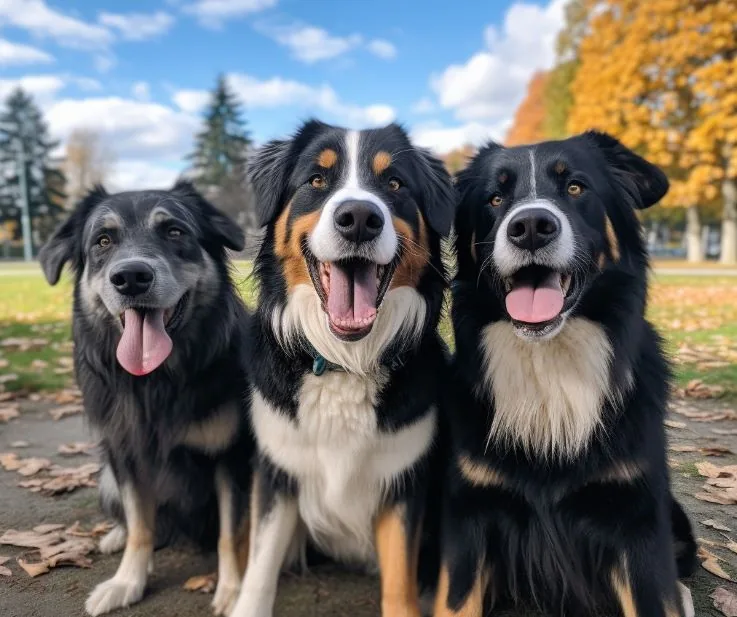
How do you choose the right kind of outing?
Start with the individual pet. A social, healthy adult dog with reliable recall may enjoy an appropriate off-leash area. A puppy still learning, a dog recovering from illness, a pet fearful of unfamiliar dogs or an animal with poor recall may be better served by a quiet leashed walk or enrichment at home.
Cats and small pets generally need secure transport and species-appropriate containment rather than a casual open outing. Never rely on a collar alone to contain an animal in a vehicle or busy public space.
What do Edmonton’s off-leash rules require?
The City of Edmonton maintains designated off-leash areas and publishes current maps, access information, etiquette and alerts. At boundaries and outside those areas, dogs need to be leashed. Within an off-leash area, guardians still need control of the dog, awareness of other users and wildlife, and supplies to remove waste.
Conditions can change because of construction, seasonal hazards or park work. Check the official page on the day of the visit instead of relying on an old roundup. Shared pathways serve walkers, runners, cyclists and mobility-device users; a short leash and predictable position help reduce conflict where off-leash permission does not apply.
What should be on the pre-outing checklist?
- A current pet licence and readable identification tag.
- A securely fitted collar or harness and a standard leash in good condition.
- Fresh water, a portable bowl and more waste bags than you expect to use.
- A charged phone and a recent photo of the pet.
- Any veterinarian-recommended medication or protective gear for that individual.
Identification works best in layers. A tag helps a finder contact you quickly, while microchipping provides permanent identification if a collar is lost. Keep registry contact information current; the chip itself does not track location.
How should weather and wildlife change the plan?
Edmonton weather can shift quickly. In heat, choose cooler times, shade and a shorter route, and watch the surface temperature. In cold, consider wind, duration, paw condition and the pet’s size, coat, age and health. Road salt, sharp ice and packed snow can irritate or injure paws, so check them during and after the walk.
Keep distance from coyotes and other wildlife, do not allow chasing, and avoid leaving food behind. Stagnant water, carcasses and unknown waste are reasons to redirect the pet. Tick exposure is possible in Alberta; inspect the coat and skin after outdoor activity and discuss individualized parasite prevention with a veterinarian.
Is an off-leash park a good choice today?
Pause at the entrance. If the area is crowded, dogs are clustering at the gate, play looks one-sided, or your dog is stiff, hiding, repeatedly trying to leave or unable to disengage, choose another activity. Consent and comfort can change during a visit.
Interrupt early, call the dog away and leave before arousal escalates. Do not bring food or toys into a group when they create guarding or conflict. Puppies, recently adopted animals and dogs with an unknown history benefit from gradual exposure rather than being “tested” in a busy park.
What health preparation is worth reviewing?
Communal spaces can increase contact with other animals and shared environments. Ask whether your dog’s vaccination plan and prevention match daycare, boarding, travel and park use. Avoid public group settings when a pet is coughing, vomiting, has diarrhea, is unusually tired or may have a contagious condition; call your veterinarian for advice.
What signs mean the outing should end?
Stop and move to a safe place for breathing difficulty, collapse, repeated vomiting, marked weakness, uncontrolled bleeding, a suspected toxin exposure or a severe bite or injury. Call a veterinary clinic for immediate direction. For limping, paw irritation, coughing or a behaviour change that persists after returning home, describe the signs and ask how soon an assessment is needed.