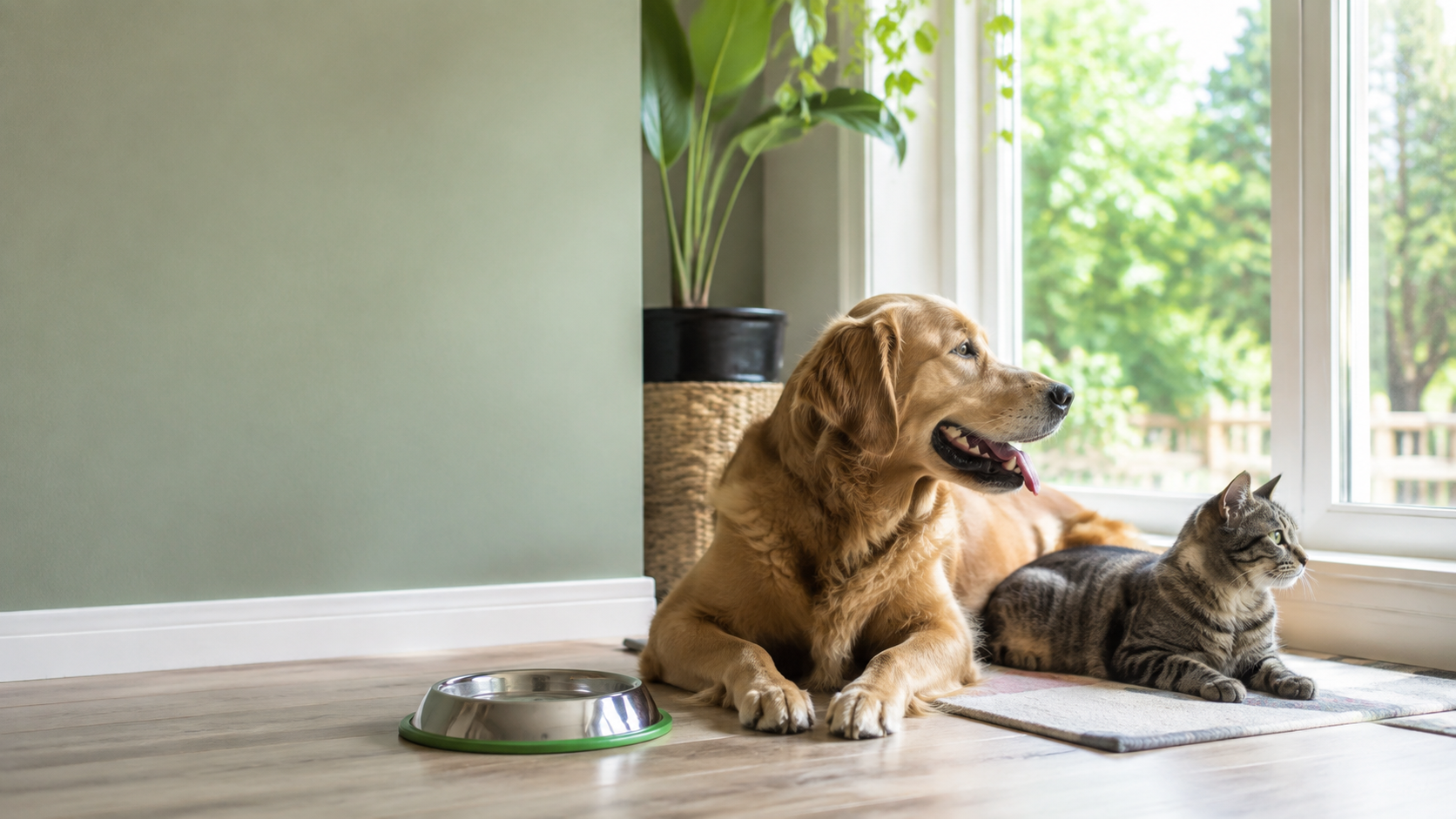
Plan walks and play for cooler hours, provide constant fresh water and shade, check pavement, shorten exertion and never leave a pet unattended in a parked vehicle. Watch the animal rather than relying on one “safe” outdoor temperature. Heavy or distressed panting, drooling, weakness, confusion, vomiting, collapse or seizures can indicate heatstroke and require immediate veterinary care.
Which pets can overheat more easily?
Any dog or cat can develop heat illness. Risk can be higher for flat-faced breeds, very young or senior animals, overweight pets, thick-coated pets, and animals with heart, breathing or mobility disease. Poor acclimation, intense exercise, humidity, direct sun, hot pavement, limited water or confinement can add risk. A pet that tolerated yesterday’s outing may struggle today if conditions or health have changed.
Cats may show distress less obviously than dogs. Open-mouth breathing in a cat is not a normal cooling strategy and deserves urgent attention, especially with weakness, drooling or abnormal gum colour.
How should I plan an Edmonton walk?
- Choose cooler morning or evening periods and check current conditions.
- Carry water and offer regular breaks in shade.
- Keep the route shorter and easier than in mild weather.
- Test pavement with your own hand and choose grass or shade when surfaces are hot.
- Avoid forced running beside a bicycle and strenuous fetch in direct sun.
- Turn back at the first sign your pet is struggling, not at the planned endpoint.
Build fitness gradually. A dog that has been less active through winter or recovering from illness should not begin with a long summer outing. Edmonton weather can change quickly, so include the trip home in the plan and keep water in the vehicle for travel.
Why are parked vehicles so dangerous?
A vehicle can become dangerously hot even when the outdoor air feels moderate, windows are partly open or the stop seems brief. Shade moves, ventilation is limited and a pet cannot choose to leave. Do not use air conditioning in an unattended vehicle as the only safeguard; equipment or engines can fail.
If you find an animal in a hot vehicle, assess from a safe location and follow City of Edmonton animal-protection guidance. Alberta advises calling 911 when a person or animal is in immediate danger. Do not put yourself or others at risk, and do not take actions that delay emergency help.
What are the warning signs of heatstroke?
Stop and cool down
Faster panting than expected, seeking shade, slowing down or reluctance to continue. End activity and move to a cooler place.
Urgent call
Heavy or distressed panting, excessive drooling, vomiting, diarrhea, unusual agitation, weakness or poor coordination.
Emergency now
Collapse, confusion, seizure, severe breathing difficulty, blue or grey gums, unresponsiveness or rapid deterioration.
Heatstroke can damage organs even when a pet seems better after cooling. Do not wait for every listed sign, and do not rely on a dry nose or one temperature reading to decide whether care is needed.
What should I do if I suspect heatstroke?
- Move the pet out of heat and call a veterinary clinic immediately.
- Begin cooling with cool—not ice-cold—water and airflow while preparing transport.
- Wet the body where practical without delaying departure; avoid ice baths.
- Do not wrap the pet in wet towels, which can trap heat as they warm.
- Travel promptly and follow the clinic’s instructions during the call.
Do not force water into a weak, vomiting, confused or poorly responsive pet. Do not give human medication. Lakeview’s pet-emergency guidance explains when signs need urgent assessment; use the contact page for current hours, phone and directions.
How can I keep an indoor pet comfortable?
Provide several water locations, cool resting surfaces, airflow and access to the coolest safe room. Close blinds where direct sun heats the space. For cats, ensure water and litter are easy to reach without crossing a hot sunroom or balcony. Never leave pets on an enclosed balcony, in a shed, garage or other space that can heat quickly.
Frozen food toys or pet-safe chilled treats may add enrichment for an animal that tolerates them, but they do not replace a cool environment and water. Keep fans and cords secure, and remember that a fan alone may not protect an overheated pet.
What should I ask before summer activity?
If your pet has heart, airway, weight, joint or medication concerns, ask how heat should change exercise and travel. Discuss a realistic plan for cooling, vehicle stops and what to do if signs begin. A brief plan is especially important for flat-faced dogs and cats, seniors and pets who cannot move themselves into shade.
Sources and further reading: AAHA: Preventing heatstroke in dogs and cats, Government of Alberta: When to call 911, City of Edmonton: Animal protection.
Medical note: This article provides general education and does not replace emergency triage, examination, diagnosis or individualized veterinary advice.