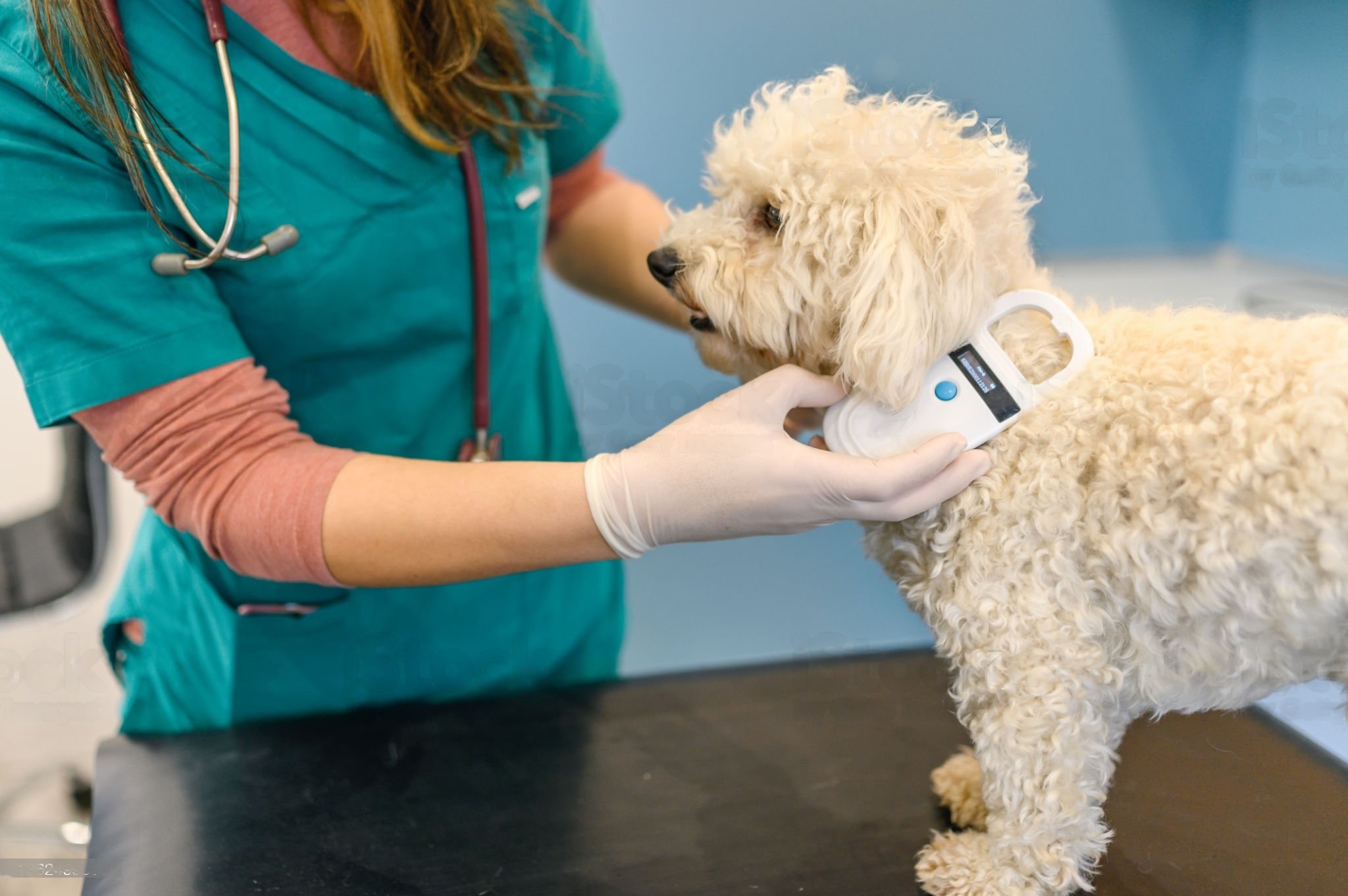
A microchip adds permanent identification, but it is only part of the plan. The chip must be registered, the owner’s contact details must stay current, and the scanner must connect the number to the correct registry. Keep a visible licence or ID tag as well. A microchip does not track location or replace Edmonton’s pet-licensing requirements.
What does a microchip actually do?
A pet microchip is a small radio-frequency identification device implanted under the skin. When a compatible scanner passes over it, the device returns a unique number. The number is then used to identify the registry that may hold the owner’s contact information.
The chip does not contain a battery, continuously broadcast, store a live address or show where a pet is. It also does not automatically register itself. Ask which registry is used, keep the chip number in your records and complete every registration step.
When should the registry be updated?
- After a move or change of phone number or email
- After adoption, rehoming or a change in primary contact
- When an alternate emergency contact changes
- Before travel or an extended stay away from home
- Whenever a registry confirmation shows incorrect information
Do not wait until a pet is missing to look for the number and password. AAHA’s Microchip Registry Lookup Tool can identify participating registries associated with a chip number, but the tool itself does not display or update owner details.
How is microchipping done?
The microchip is placed with a sterile applicator during a brief appointment. Many pets tolerate placement similarly to an injection, although the applicator is larger than a vaccination needle. Sedation is not routinely required solely for placement, but a veterinarian may coordinate it with another planned procedure when appropriate.
After placement, the team scans the chip, records the number and explains registration. Ask for written confirmation. At future examinations, a quick scan can confirm that the chip is detectable. Read more about Lakeview’s microchipping service.
What should I watch for afterward?
Mild brief tenderness can occur. Call the clinic if you notice persistent pain, marked swelling, heat, discharge, bleeding or a change in behaviour that concerns you. Keep the site clean and follow the instructions given for your pet. A chip can occasionally move from the original placement area, which is one reason scanning protocols cover more than one small spot.
How do Edmonton licences and microchips work together?
The City of Edmonton currently requires all cats and dogs six months and older—including indoor pets—to have a valid licence renewed every 12 months. The City says its pet licence includes a microchip and a City tag. Programs, eligibility and fees can change, so check the current City page or call 311 for details rather than relying on an old screenshot.
A visible tag lets a neighbour contact the City or owner without a scanner. A registered chip remains useful if a collar is lost. Use both layers and keep a recent clear photo of your pet.
What should I do if my pet is lost?
- Contact Edmonton Animal Care and Control and nearby shelters and veterinary clinics.
- Tell the microchip registry the pet is missing and verify every contact field.
- Share a current photo and precise last-seen information through appropriate local channels.
- Check found-pet listings repeatedly and keep your phone available.
- Do not send money or verification codes to an unverified caller claiming to have your pet.
If you have just adopted a pet, review the chip transfer and first-week records before assuming registration is complete.
When should identification be reviewed?
Routine check
Confirm registry contacts and scan the chip during a wellness visit or before travel.
Act today
A move, new phone number, adoption, registry closure notice or missing paperwork.
Lost pet
Contact the registry, City services, shelters and veterinary clinics immediately; do not wait overnight.
Which chip should I choose?
Compatibility and recognized standards matter more than a marketing label. The National Companion Animal Coalition publishes a current Canadian list of recognized RFID products and recommends an NCAC-recognized ISO microchip for lost-pet recovery. Your veterinarian can explain the product used, registration process and any travel-document requirements. To arrange placement or a scan, contact Lakeview.
Sources and further reading: AAHA: Microchip Registry Lookup Tool, City of Edmonton: Pet licences and microchip program, CVMA/NCAC: Recognized RFID products (2026).
Medical note: This article provides general education and does not replace an examination, diagnosis or individualized veterinary advice.