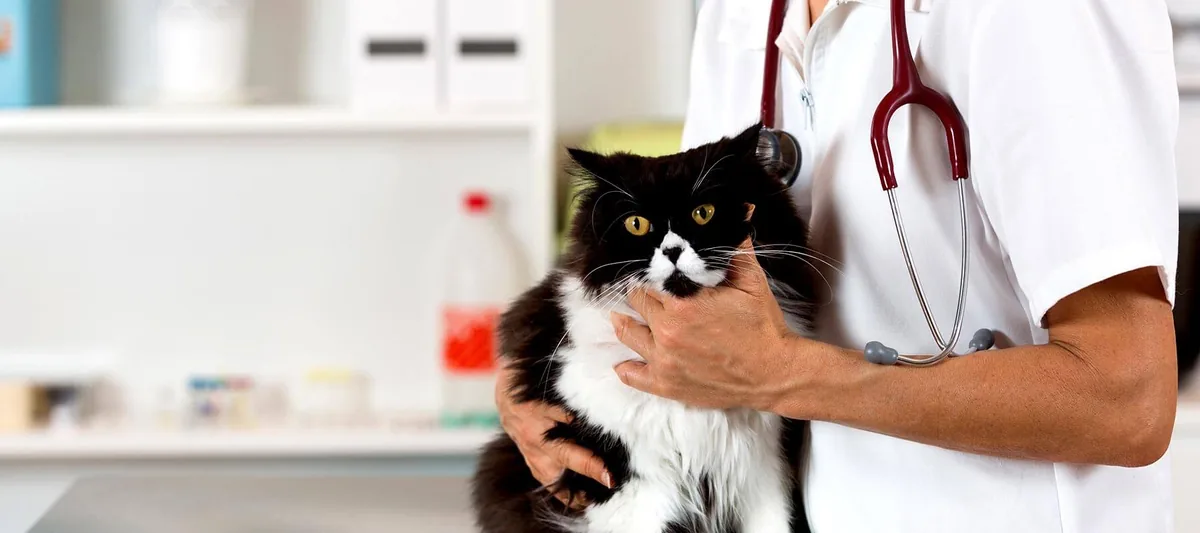
Which vaccines does a dog or cat need?
Veterinary guidelines separate vaccines into broadly recommended “core” protection and vaccines used when a pet’s circumstances make exposure more likely. The distinction helps focus on meaningful protection without assuming that every product suits every animal.
Puppies and kittens commonly need a starting series because their immune protection changes as they grow. Adults may need updated protection based on their records, the vaccine used, health status and current risk. There is no safe universal calendar to copy from another pet or from an old certificate. Lakeview’s vaccination service is built around reviewing those details with you.
How can Edmonton life change the recommendation?
A pet that stays inside and lives alone has a different exposure pattern from a dog using off-leash areas, a cat that goes outdoors, or an animal attending daycare, boarding, training classes or grooming. Wildlife contact, shared water bowls, travel outside Alberta and visits to higher-density animal settings can also matter.
Tell the veterinary team about upcoming trips, even if they seem routine. Border, airline, boarding and destination requirements can differ, and documentation may need to be prepared before departure. A recent move, adoption, new household pet or change from indoor to outdoor living is also a reason to revisit the plan.
What should you bring to a vaccine appointment?
- Any vaccine certificate, adoption record or prior clinic record you have.
- A current medication and supplement list, including non-prescription products.
- Notes about chronic conditions, current illness or a previous vaccine reaction.
- Details about boarding, daycare, outdoor access, wildlife contact and travel.
- Your questions about benefits, possible short-term effects and follow-up.
A vaccination visit is also an opportunity to discuss broader preventive needs. If your pet is due for an exam, review Lakeview’s annual health and wellness exam information before booking.
What happens before the vaccine is given?
The team confirms the history and checks whether the pet is well enough to vaccinate that day. The veterinarian then weighs likely benefit, exposure and any reason to delay or modify the plan. If records are missing, do not guess at dates or assume the entire series must restart. Share what you know and let the clinic decide what information or next step is needed.
Ask for an updated record before you leave and keep it somewhere accessible. Accurate documentation helps future clinics avoid both gaps and unnecessary duplication.
What should you watch for afterward?
Some pets may be quieter, less interested in food or tender where an injection was given for a short time. Ask the clinic what is expected for the specific vaccine and pet, and call if a change concerns you, lasts longer than advised or is getting worse. Do not give a human pain reliever or antihistamine unless a veterinarian has specifically directed it for that pet.
Which signs need urgent help?
Facial swelling, difficulty breathing, collapse, marked weakness or repeated vomiting after vaccination need prompt veterinary direction. If severe signs are happening, use Lakeview’s emergency guidance and call immediately. For uncertain records, a lifestyle change or a routine booster discussion, request a regular appointment instead.
What if records are missing or the pet is overdue?
Book a record-review conversation rather than selecting a vaccine yourself. The clinic may be able to request records from a previous veterinarian, shelter or breeder. If the history remains incomplete, the veterinarian will use age, likely prior care, current health and exposure to recommend a reasonable path forward. “Overdue” does not tell you by itself which product or timing is appropriate.
When comparing options, ask which disease the vaccine addresses, why it is relevant to this pet, what protection still appears documented and when the next review is due. That creates a decision you can understand and an accurate record for the future.