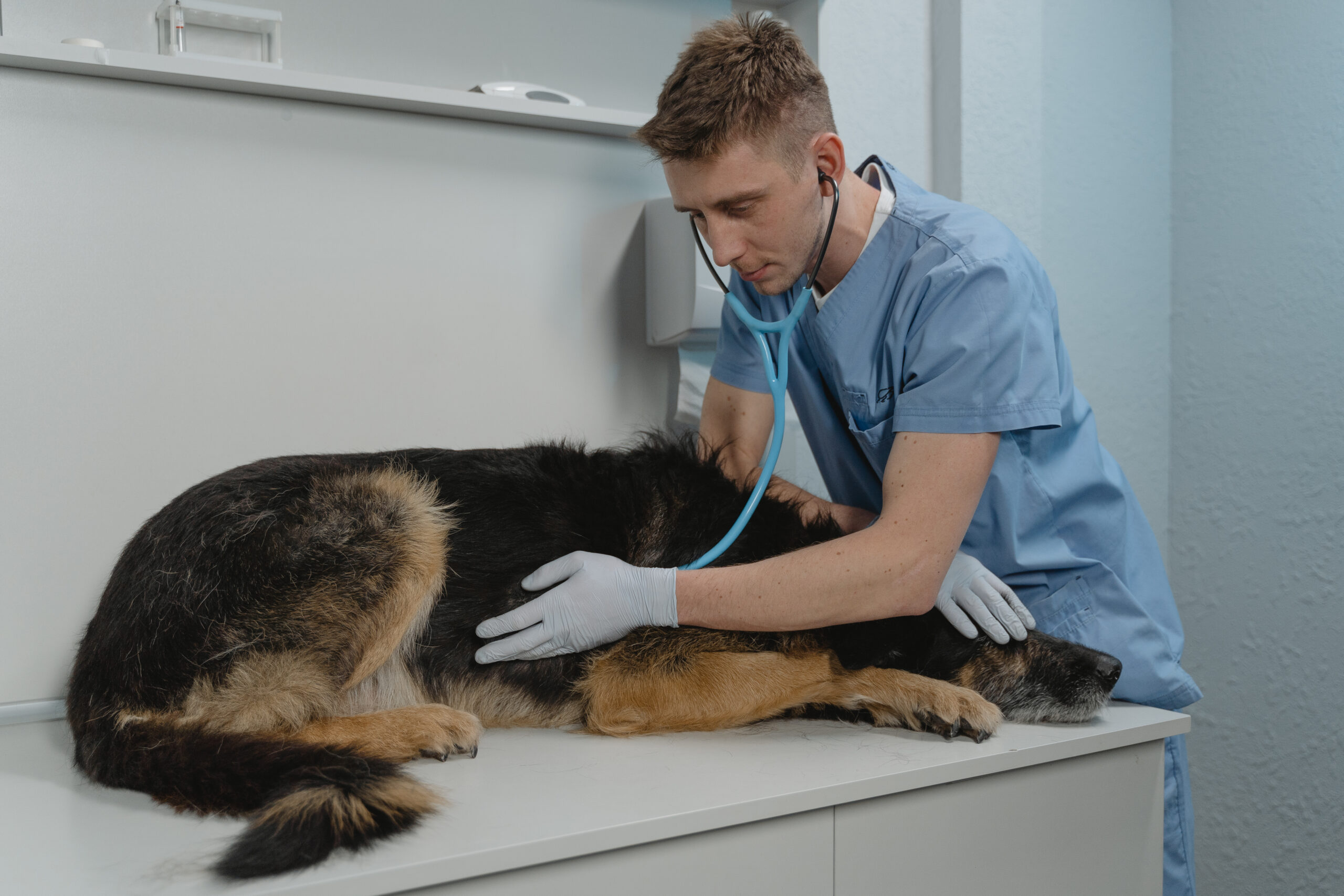
There is no single age that is best for every animal. Discuss timing before the pet reaches the stage when pregnancy is possible, but base the plan on species, sex, expected adult size, breed-related evidence, current health, behaviour, housing and ability to prevent mating. A veterinarian can explain the benefits, trade-offs, procedure and recovery for your individual pet.
What do “spay” and “neuter” mean?
These terms describe surgeries that make a dog or cat unable to reproduce. The exact procedure differs by sex and may vary with the animal and surgeon. It requires anesthesia, pain management and a period of restricted activity. Ask what technique is planned, what monitoring is used and what the written home-care instructions will cover.
Spaying or neutering is not the same as training, vaccination or permanent identification. It is one part of preventive planning. Edmonton owners must still prevent escapes, manage interactions and meet local licensing and control requirements.
What benefits should owners understand?
- It prevents unwanted litters when the surgery is completed before breeding occurs.
- Spaying prevents uterine infection and ovarian and uterine disease associated with retained reproductive organs.
- Neutering prevents testicular disease and may reduce some prostate-related conditions.
- It may reduce hormonally influenced roaming, urine marking or mating behaviour, although learning and environment also shape behaviour.
Benefits are not identical for every species, sex or age, and surgery does not guarantee that an established behaviour will stop. Fear, anxiety, aggression, house soiling or reactivity deserves its own assessment rather than assuming sterilization will solve it.
Why is timing an individual decision?
The balance of benefits and risks can change with expected adult size, breed, orthopedic development, cancer risk, reproductive status, medical conditions and the likelihood of accidental mating. Evidence is not equally strong for every breed or outcome. Your veterinarian can interpret what is known without turning a population association into a promise about one pet.
Cats can become reproductively active while still young, and preventing mating can be difficult once roaming begins. Dogs vary much more in mature size and development. If a pet was adopted with an existing surgery date or contract, bring that information to the discussion.
What happens before surgery?
- A health history and examination identify anesthesia or recovery considerations.
- The clinic provides fasting and medication instructions for that pet.
- Recommended testing is based on age, health and procedure.
- You review consent, pain control, estimated costs and contact details.
- Transport and a quiet recovery area are arranged in advance.
- An Elizabethan collar or recovery garment is ready if recommended.
Follow the clinic’s instructions exactly. Do not withhold water, change medication or extend fasting based on generic internet advice; puppies, kittens and pets with certain diseases may need different directions. Tell the team about every medication, supplement, recent illness and any chance of pregnancy.
What does safe recovery look like?
Sleepiness on the first day may occur, but the pet should be monitored and should gradually become more alert according to the discharge plan. Keep the incision clean and dry, prevent licking, restrict running and jumping, and give only prescribed medication. Check the incision at least daily without scrubbing or applying products unless instructed.
Plan leash-only bathroom breaks for dogs and a low-stress indoor area for cats. Separate energetic housemates if play could damage the incision. Continue restrictions for the full period the clinic specifies even when the pet seems eager to resume normal activity.
Which post-operative signs need a call?
Expected recovery
Comfort and alertness improve, the incision remains closed and dry, and eating and elimination follow the discharge expectations.
Call the clinic
Increasing redness, swelling, discharge, repeated licking, poor appetite beyond instructions, vomiting, diarrhea, marked pain or unusual lethargy.
Emergency now
Collapse, severe breathing difficulty, uncontrolled bleeding, very pale gums, a suddenly swollen abdomen, repeated vomiting with weakness or an opened incision.
What should I ask at the planning visit?
Ask why the recommended timing fits your pet; what alternative timing would change; whether vaccination, parasite control or microchipping can be coordinated; what anesthesia monitoring and pain control are planned; and whom to contact after hours. Lakeview’s spay and neuter service page is the starting point for an individual discussion and booking.
Sources and further reading: American Veterinary Medical Association: Spaying and neutering client guide, AAHA: When should I spay or neuter my pet?.
Medical note: This article provides general education and does not replace an examination, diagnosis, surgical consent discussion or individualized veterinary advice.